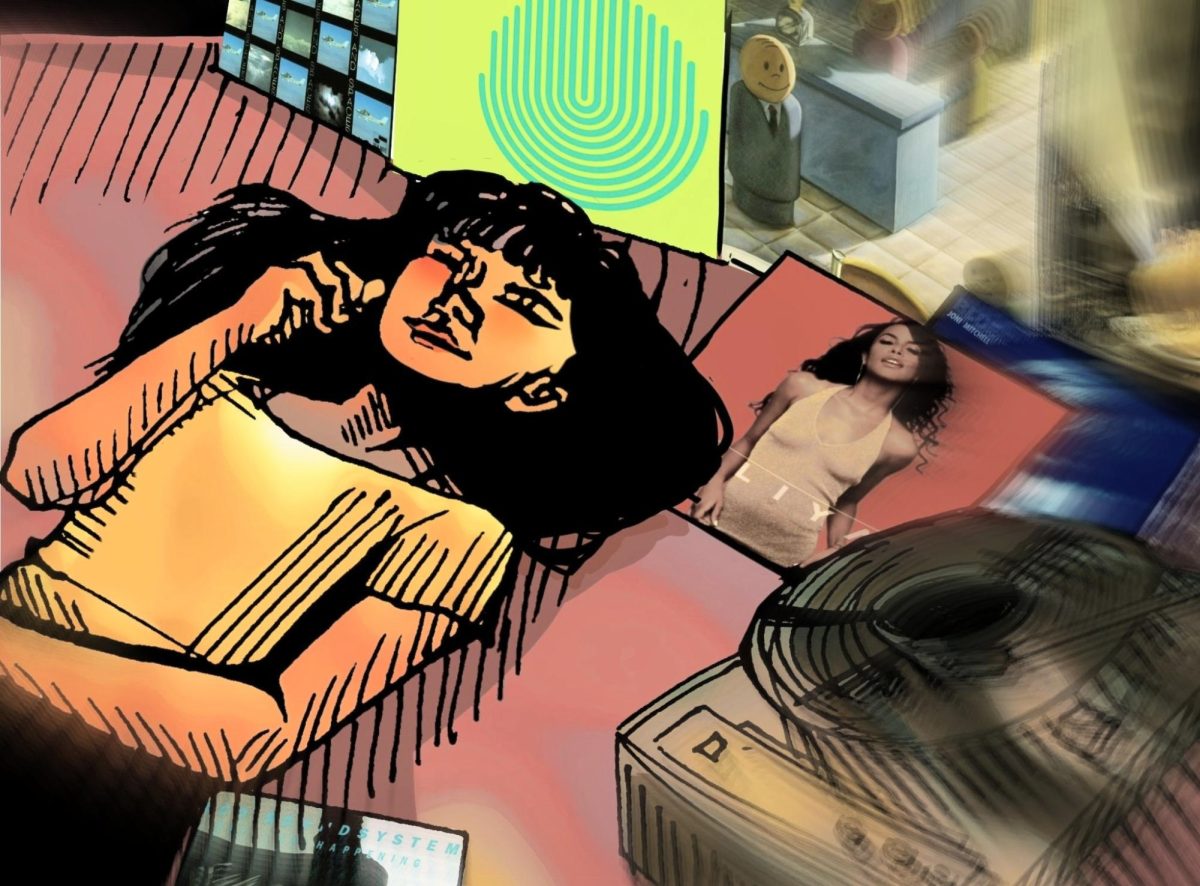
In the current music listening era, the consumer has a multitude of avenues to listen to music. Streaming has hyper-commercialized the music industry by creating a business model that prioritizes hit singles and playlist curation. This modern facet of music consumption denies the essential magic of listening to an album in its entirety.
It is no secret that modern music listeners enjoy making and listening to playlists. They serve as a great tool for organization and music discovery. Albums have in-turn been neglected. They are seen by many as a collection of songs, rather than the complete piece of art they are largely designed to be.
Before the development of albums, music fans had to buy songs individually on 78 RPM shellac phonograph records, which later evolved into the 45 RPM 7-inch releases.
Technically, albums were first developed in the phonograph era, where “album” booklets were released with multiple 78 RPM records that would all coincide with a music listening experience. These releases were typically classical music or opera.
It wasn’t until vinyl was introduced to store music that albums became more prominent. Instead of the shellac records which only held about 3 minutes of music per side, vinyl could hold up to 22 minutes. Instead of needing 10 or so shellac records to make an album, you could now fit an entire album on one disc.
With the advancements in music technology, artists became more experimental with how they packaged their music.
Frank Sinatra is seen by many as a major innovator in developing albums as full pieces of art to be experienced. “In the Wee Small Hours,” released in 1955, was a significant achievement as it popularized the idea of a concept album; where all the songs are meant to go together to tell a unified story, idea or aesthetic.
Further along in the timeline, artists such as The Beatles, The Beach Boys and the Rolling Stones brought forth the album era. Music was now being consumed largely in an album centric form.
Getting this experience even in the modern music listening landscape is vital. Albums are dedicated pieces of art. By not listening to the entirety of an album, you are robbing yourself of the context that makes the music more fulfilling.
Would you only watch the first 15 minutes of a movie and then skip to random moments throughout? That movie watching experience would ring hollow and you would not understand what you just watched.
An album should be treated in largely the same way. Sitting through the entire experience when listening to the music for the first time will create a much more personal and intimate moment between you and the music.
There are a lot of releases that lose meaning when you cherry-pick those standalone moments. For example, an album like “De-loused In the Comatorium” by The Mars Volta tells a story about a man who overdoses on morphine and rat poison in an attempt to end his own life. The gripping tale unravels throughout the album in poetic anecdotes that become unintelligible if you do not listen the album in the order it was designed to be played.
This argument is not to say you should never listen to songs by themselves. Being able to play your favorite songs in a moment’s notice is rewarding and essential in some situations. But in order to experience music in the most rewarding way possible, listening to your favorite songs within the context of the art is vital.